Clothing, color and portrait preparation
What to wear for therapist headshots
Start with clothing you feel comfortable wearing for your professional portrait. Try it on, check how the neckline and layers sit, and compare the colors with your planned background. Bring a useful alternative when the session scope allows a change.
Let’s talk about your portraits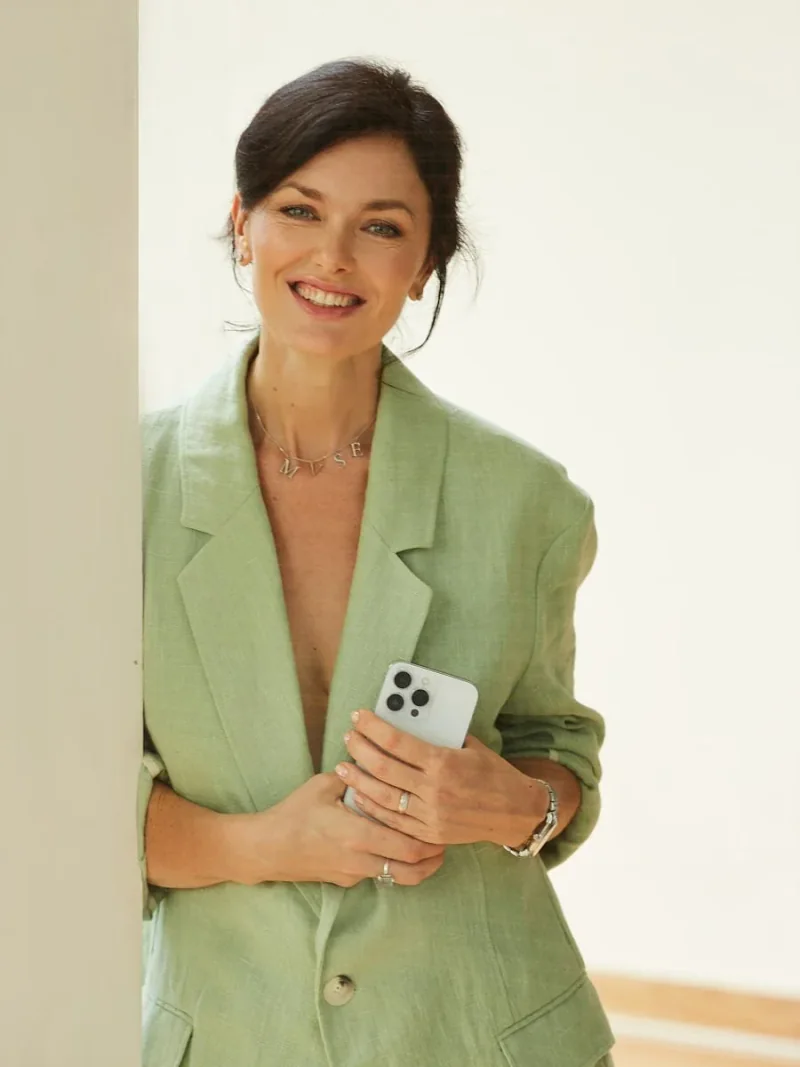
Choose the level of formality first
Choose a level of formality you want to show on your directory profile and practice website. A jacket, knitwear, shirt or simple dress can each work. Consider where the photograph will appear.
Use your current team page as a reference if the new photograph will sit beside other clinicians. You can share a similar level of formality while keeping your own clothing choices. Tell the photographer which existing pictures need to remain part of the set.
Explore therapist portrait photographyCompare clothing colors with the background
Think about your clothes and the background together. A dark top can blend into a dark setting. A lighter layer or a different background can help keep the outline visible.
If you love a bright color, try it in a small test photograph. You may like the energy it brings, or prefer a quieter color that lets your face draw more attention.
Solid colors are an easy starting point. Patterns can work too; check fine stripes and small repeats in a test picture, since they can appear uneven in a digital photograph. Bring a solid-color alternative if you would like a choice.
With layers, check how the collar, lapels and neckline sit together. Try removing one layer and see which version feels more like you.
Check the neckline in the actual frame
A close headshot shows only part of the outfit. Try sitting and standing in the clothing you are considering. Check whether a collar stays in place, a neckline sits as intended and the fabric moves comfortably when you turn your shoulders.
A quick phone photograph from approximately eye level can help you compare options. Include your head and shoulders, then use the test to discuss the neckline and framing with your photographer.
Prepare glasses, hair and accessories
If you normally wear glasses and want them in the portrait, bring the pair you plan to use with clean lenses. Reflections depend on the position of the glasses, camera and light, so include glasses in the discussion of the photographic setup.
Choose jewelry and accessories you want visible in the final crop. Check that necklaces sit comfortably and earrings do not catch on clothing. Prepare your hair in the way you want it photographed, and bring whatever you use for a quick adjustment between photographs.
Coordinate a practice set with simple guidance
Choose one practice contact to communicate the agreed look. A short note about formality, the background and any clothing preferences is easier to act on than a long list of restrictions. Share a few suitable examples so each person understands the intended portrait.
Agree whether the team wants a broad color palette or simply a consistent level of formality. People can wear different clothes while the light, background and framing connect the pictures. If a group photograph is also planned, discuss the clothing together with its arrangement.
- Share the agreed background and portrait references
- Describe the preferred level of formality
- Identify existing portraits that must remain in the team grid
- Collect individual clothing questions before the session
Prepare the outfit before the day
Try on the complete outfit early enough to make changes. Check fit, visible creases, collars and layers. Transport it in a way that preserves its condition, and keep anything you need for a quick clothing or hair adjustment accessible.
If you want a second look, confirm that a clothing change fits the agreed session. An alternative is most useful when it gives you a different photographic choice: another color, a simpler neckline or a change in formality. Share the options while the session is being planned.
Use the full session-planning guideReview clothing and the room together
For an office portrait, share room photographs with your clothing ideas. Review the room’s colors and visible background together. A planned backdrop gives you another option if the setting is visually busy.
Confirm the image uses, background, framing and clothing changes together so the session can be planned around the complete portrait.
Plan your portrait at the practiceQuestions about your portraits
Practical answers for choosing and preparing your photographs.
Do I need to wear a suit?
Choose a level of formality you want to show in your professional portrait. A suit is one option; a shirt, knitwear, jacket or simple dress can also fit the agreed look.
Should everyone in the practice wear the same color?
That is a choice for the practice brief. You can also agree a broad palette or a shared level of formality while allowing each person to choose their own outfit.
Can I wear my glasses?
If you want to appear in glasses, bring the pair you plan to use with clean lenses. Include them when discussing the light and camera position so reflections can be reviewed during photography.
What should I bring if I cannot decide between outfits?
Share the options before the session. If the agreed scope allows a change, bring an alternative that offers a useful difference in color, neckline or formality.